

Suitability
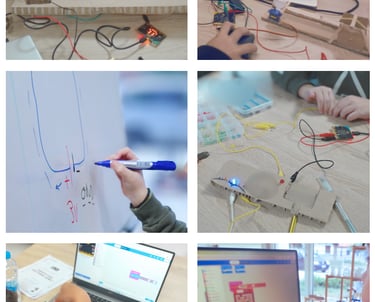
The BBC Micro:bit lessons are especially designed for students who are taking their first steps into robotics and coding. There is no need for prior experience. However, it is essential to know how to use a computer and useful to know how to browse the internet.
Beginners' lessons at early stages focus on understanding basic concepts of programming and electronics through hands-on exploration, playful experimentation, and guided problem-solving.
Students learn how code can control real-world objects, develop logical thinking, and gain confidence using technology — all in a structured and supportive environment.
These lessons are suitable for young learners (7–12+ and students who have never worked with robotics before), but not limited to.
Intermediate stages involve more advanced projects and concepts for students who have some prior experience with Micro:bit. The projects include computer science topics (variables, arrays, functions, etc.), algorithms, crafts with electronics and sensors, among others.

Suitability
The BBC Micro:bit lessons are especially designed for students who are taking their first steps into robotics and coding. There is no need for prior experience. However, it is essential to know how to use a computer and useful to know how to browse the internet.
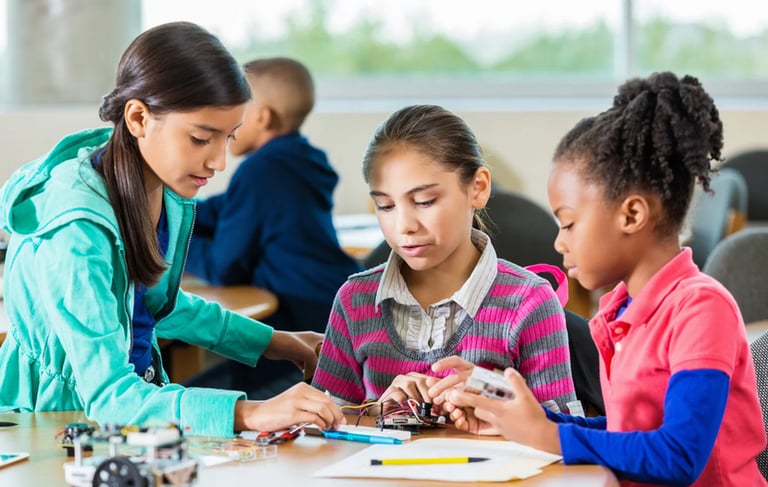
Beginners' lessons at early stages focus on understanding basic concepts of programming and electronics through hands-on exploration, playful experimentation, and guided problem-solving.
Students learn how code can control real-world objects, develop logical thinking, and gain confidence using technology — all in a structured and supportive environment.
These lessons are suitable for young learners (7–12+ and students who have never worked with robotics before), but not limited to.
Intermediate stages involve more advanced projects and concepts for students who have some prior experience with Micro:bit. The projects include computer science topics (variables, arrays, functions, etc.), algorithms, crafts with electronics and sensors, among others.

Approach & Projects
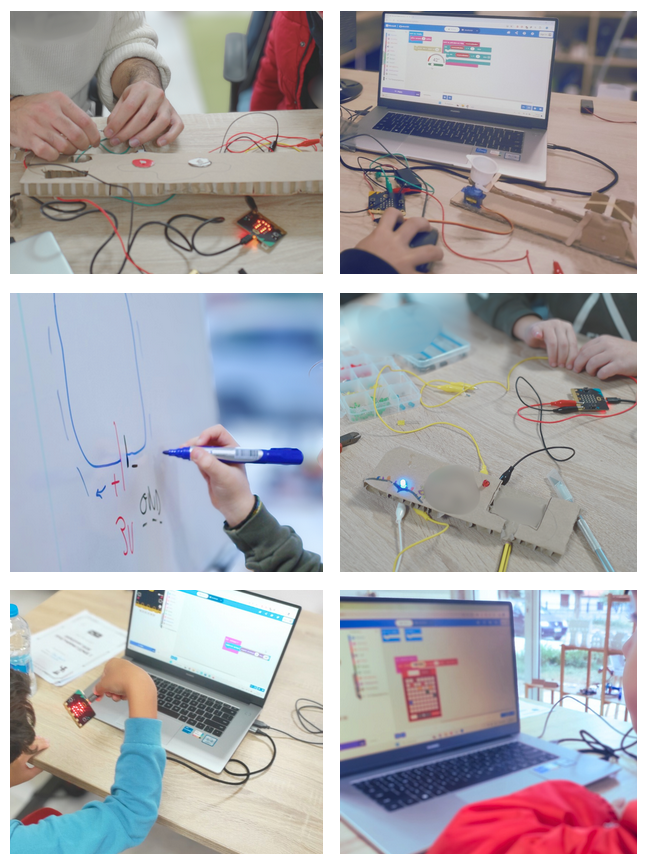
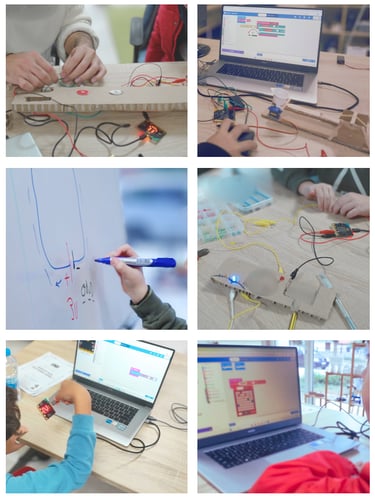
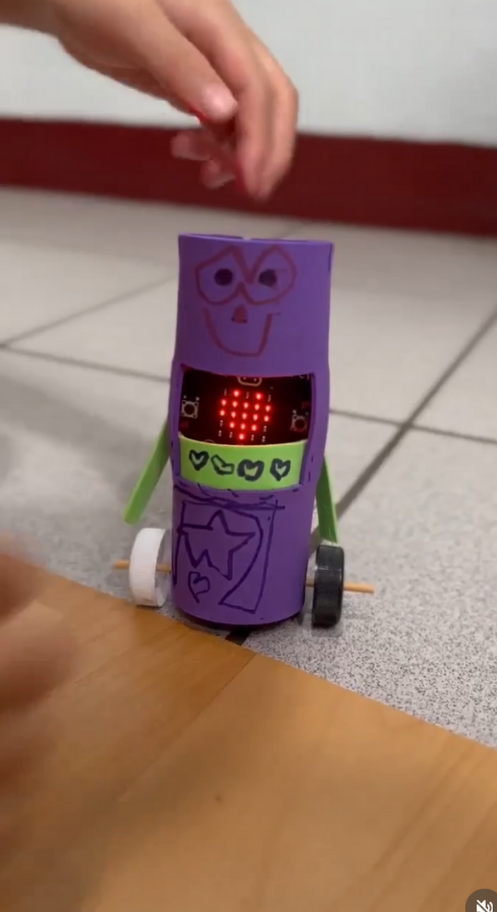
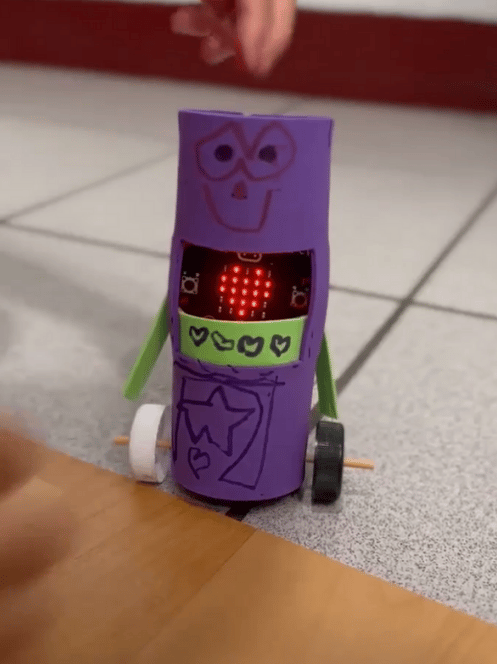
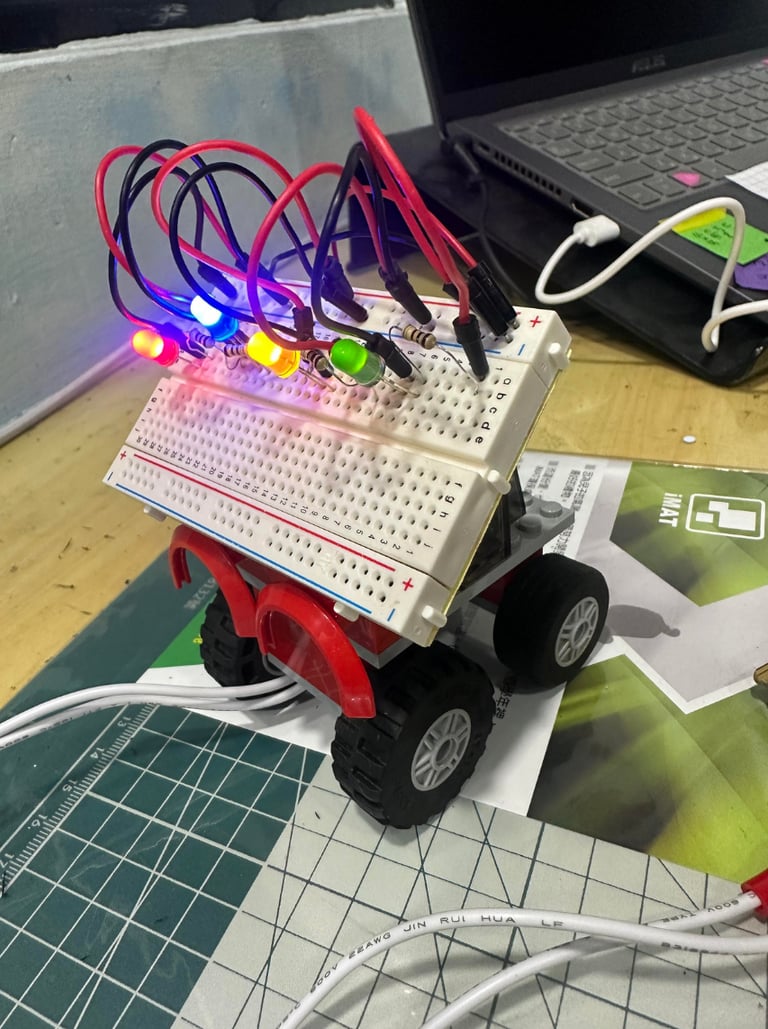
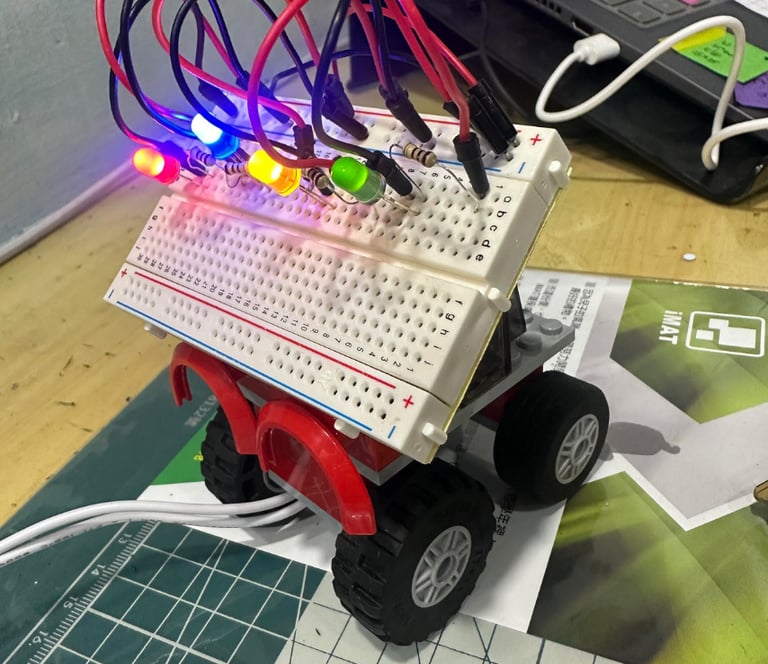
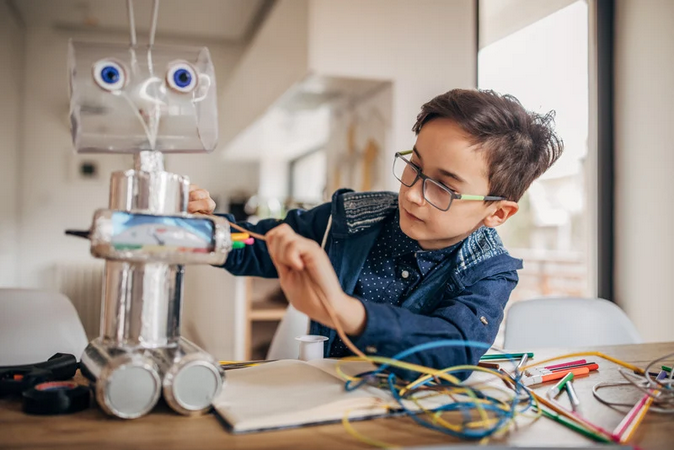
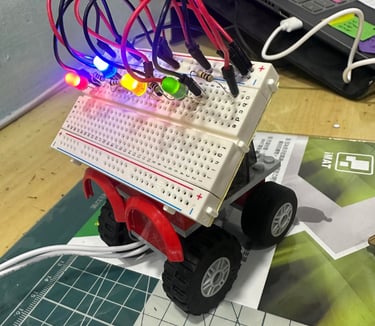
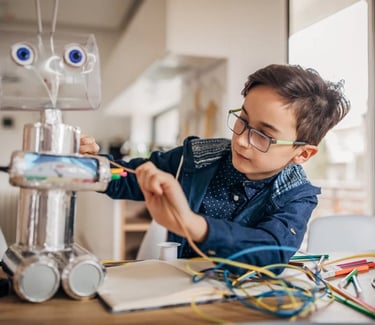
Our students do not use "ready-made" toys to play, but they create their own smart crafts from scratch with real electronics and recycled materials they can find at home. We focus on practical applications in real-world scenarios, so they can improve their creativity and deepen their scientific understanding.
For Beginners, we suggest the projects Creative Programming I or II to learn about block coding with sensors or electronics, respectively.
Students who used Micro:bit before, can try out Micro:bit in Depth I and II to learn some interesting topics such as radio communication and make their own moving crafts with servo motors and even more.
Intermediate level students can check out other projects such as Games with Micro:bit, Micro:bit Fun Circuits, Fun Coding with Micro:bit, or even the mini series Sleeping Dragon, Robot Says, Magic Wand, and Locked Treasure and more.
Want a more personalised learning experience or have a custom project to propose? Feel free to contact us, we love new ideas and creative minds!

Approach & Projects
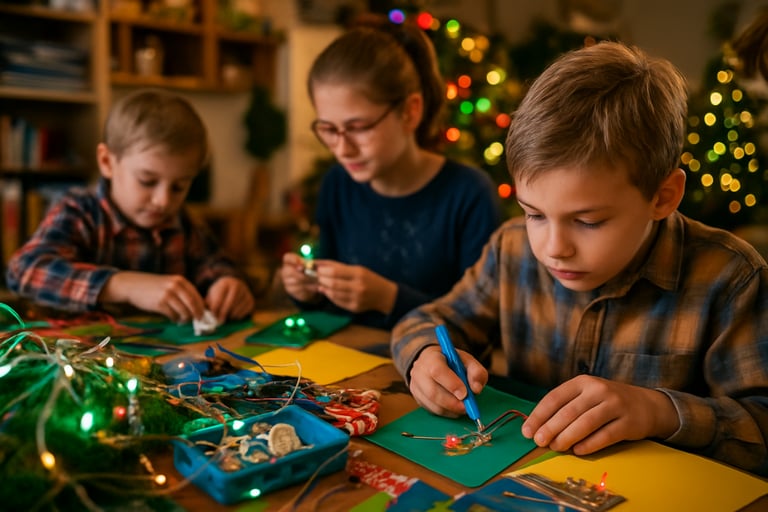
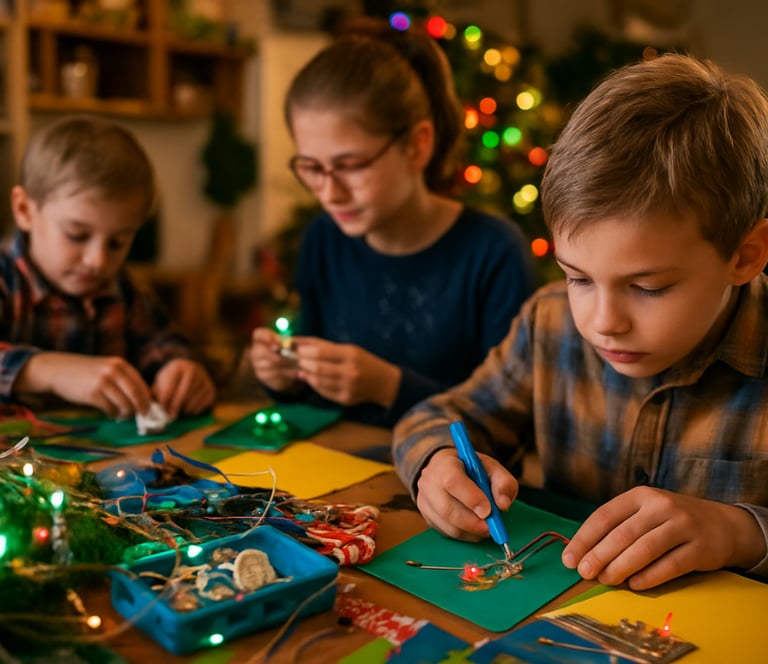
Our students do not use "ready-made" toys to play, but they create their own smart crafts from scratch with real electronics and recycled materials they can find at home. We focus on practical applications in real-world scenarios, so they can improve their creativity and deepen their scientific understanding.
For Beginners, we suggest the projects Creative Programming I or II to learn about block coding with sensors or electronics, respectively.
Students who used Micro:bit before, can try out Micro:bit in Depth I and II to learn some interesting topics such as radio communication and make their own moving crafts with servo motors and even more.
Intermediate level students can check out other projects such as Games with Micro:bit, Micro:bit Fun Circuits, Fun Coding with Micro:bit, or even the mini series Sleeping Dragon, Robot Says, Magic Wand, and Locked Treasure and more.
Want a more personalised learning experience or have a custom project to propose? Feel free to contact us, we love new ideas and creative minds!
Want a more personalised learning experience or have a custom project to propose? Feel free to contact us, we love new ideas and creative minds!

Materials you will need
A computer or laptop with internet access are totally necessary.
Recommended materials for better learning experience:
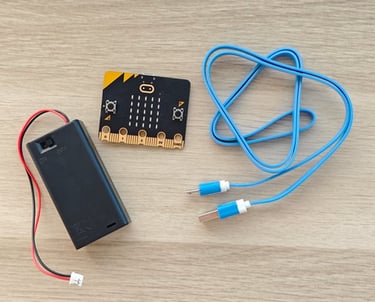
- BBC Micro:bit v2
- USB-micro data cable
- Battery pack
Suggested to get if you plan to work on hands-on projects:
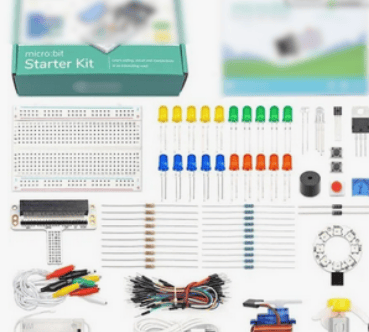
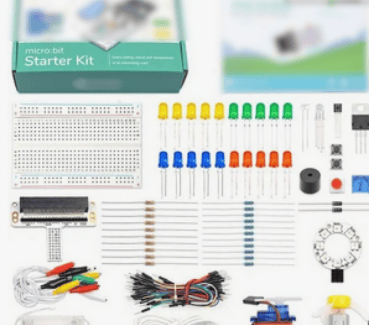
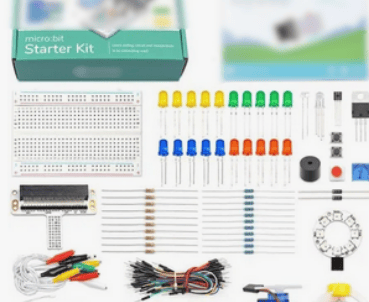
- Micro:bit starter kit (incl. LEDs, buttons, resistors, sensors, etc)
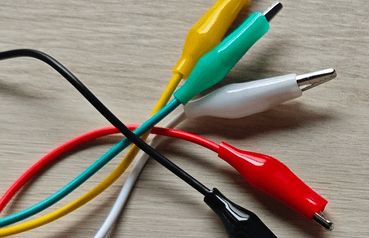
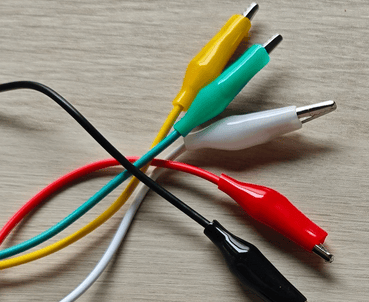
- Crocodile cables (5+)
- Breadboard & jumper wires
Note: If you are not sure, it's better to ask us before you spend money on something you may not need.



Materials you will need
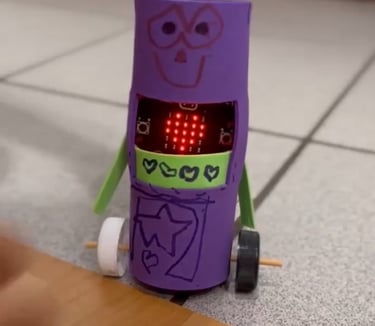
A computer or laptop with internet access are totally necessary.
Recommended materials for better learning experience:
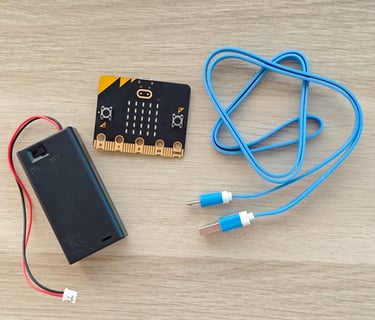
- BBC Micro:bit v2
- USB-micro data cable
- Battery pack
Suggested to get if you plan to work on hands-on projects:
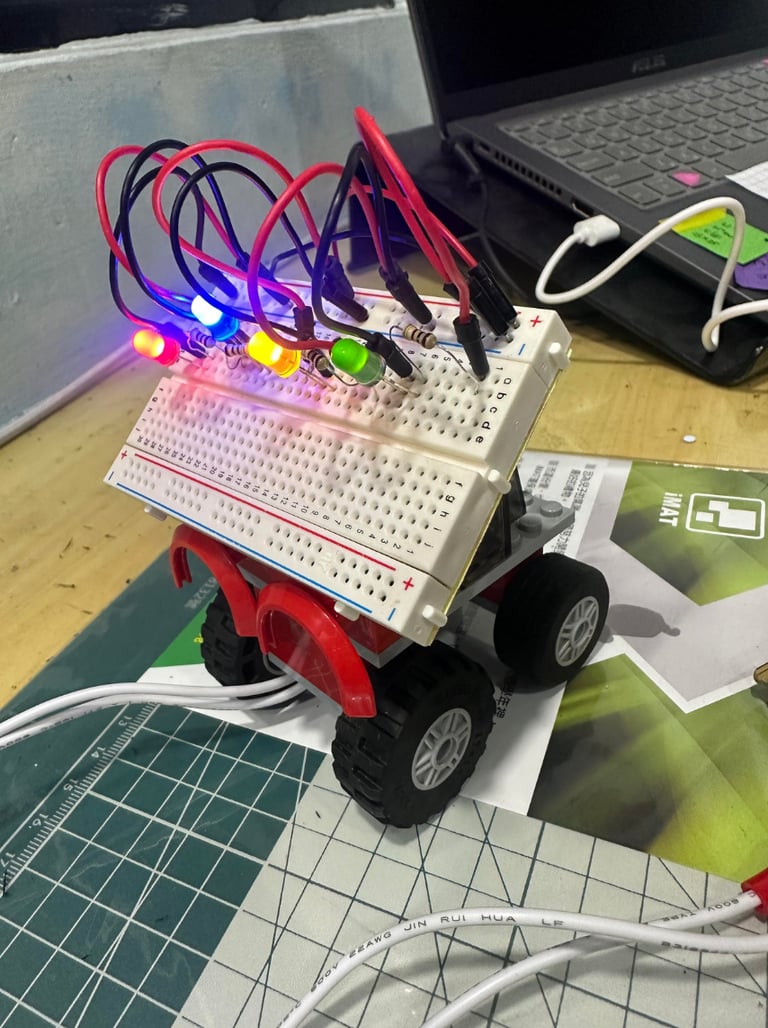
- Micro:bit starter kit (incl. LEDs, buttons, resistors, sensors, etc)
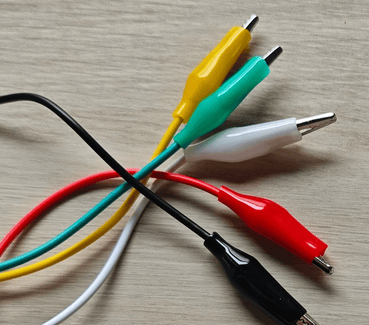
- Crocodile cables (5+)
- Breadboard & jumper wires
Note: If you are not sure, it's better to ask us before you spend money on something you may not need.
Features & Benefits
Block-based coding on Microsoft's Makecode
Introduction to basic programming logic
Introduction to on-board sensors and their use.
Builds confidence with technology
Develops logical thinking and problem-solving skills
Introduces scientific and coding concepts without pressure
Improves understanding of cause & effect
Prepares students for their future career with useful skills

Features & Benefits
Block-based coding on Microsoft's Makecode
Introduction to basic programming logic
Introduction to on-board sensors and their use.
Builds confidence with technology
Develops logical thinking and problem-solving skills
Introduces scientific and coding concepts without pressure
Improves understanding of cause & effect
Prepares students for their future career with useful skills