

4 Principles to Cultivate Healthy Screen Use for Young Children
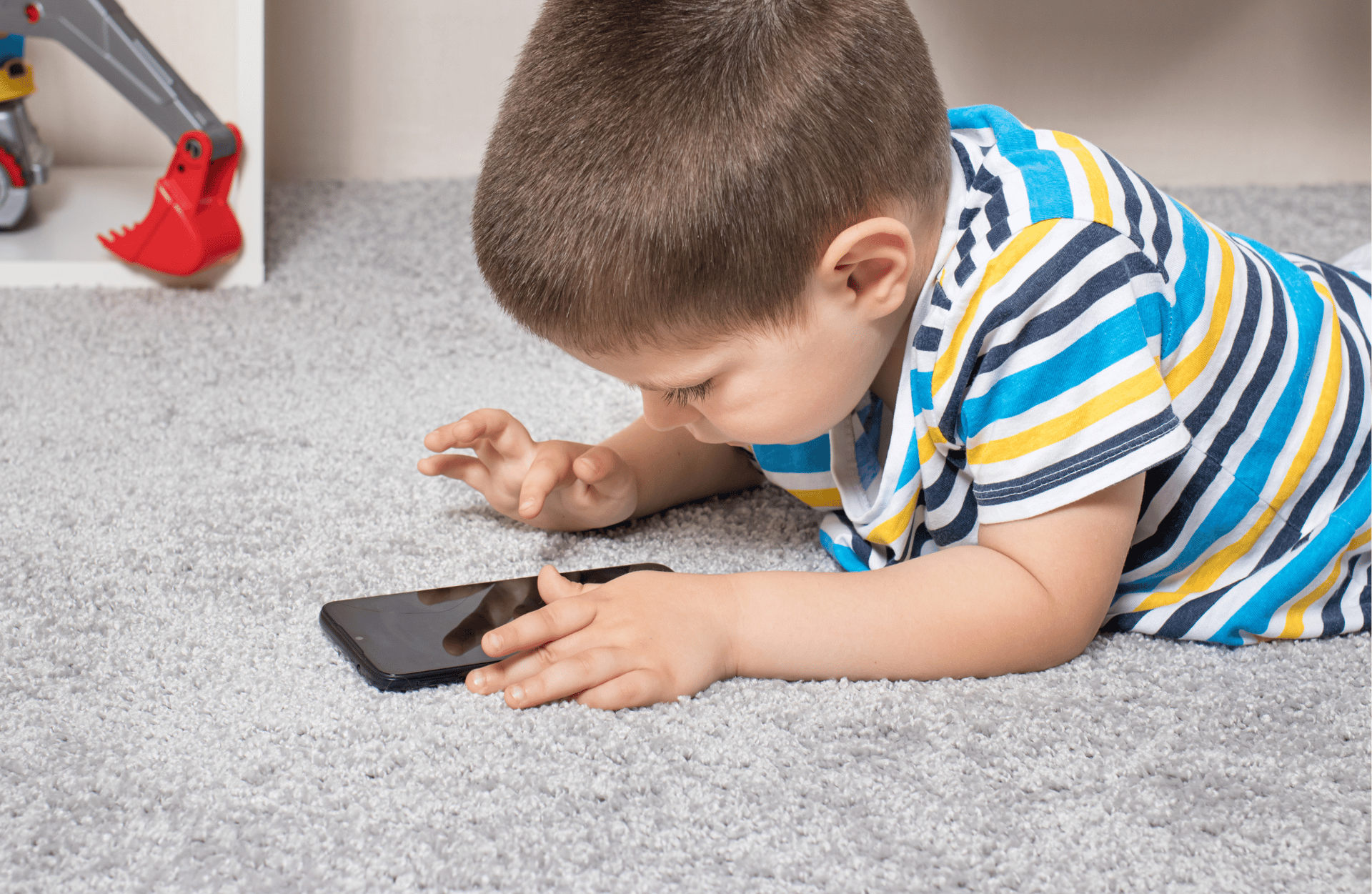
Before starting, I would like to mention that the World Health Organization recommends no screen time for children under 2 and one-hour screen time per day for children aged 2-4.
With this recommendation, we understand that children's screen time needs to be limited. Since children need to use 3C with restrictions, why do we write this article and suggest parents let their children play 3C?
Screen time can indeed cause negative effects on weight, motor and cognitive development, as well as social and psychological well-being. But in the digital age, 3C is part of the world. Children need to know it and use it. Therefore, we would like to share how to select 3C products wisely for children above 2, so that you can cultivate their healthy screen use.
Principle 4. Young children can be empowered
This means young children are more confident in their abilities and able to control their own lives independently after using 3C products.
For example, if a young child learns to text on communication software, he can express himself through messages. If a young child learns to use a mobile phone to record a video, he can record his artwork. If a young child learns to search YouTube Kids videos, he can find interesting story animations. 'Letting children live more independently in the digital age.' is an important criterion for appropriate screen use.
Suitable 3C products for young children
If the product doesn't make children indulge in front of the screen, and it assists their learning and entertains their life with its interactive media, it is a suitable product.
The so-called interactive media refers to apps, software, e-books, TV programs, etc. that can promote children's initiative, creativity, and social interaction.
In the following, we'll share four of the principles in the joint statement of NAEYC and Fred Rogers Center about selecting 3C products. We'll also give examples to let you understand the principles better.
Principle 1. Young children can be active
They can generate more ideas, or have more understanding of what they want to know while using the screen.
If they just passively watch cartoons, listen to stories, or play video games that click buttons to get prizes, the uses are not recommended. This doesn't mean watching cartoons, listening to stories, or playing video games is bad. But it matters if young children can think about how to use the information they receive.
For example, if children discuss the plot with friends, or use blocks to rebuild the scene of the cartoon, it is a good use of 3C. Even though they watch the screen passively at the beginning, the experience still leads to further communication and creation. Such experience can be considered active use.
Principle 2. Hands-on activities
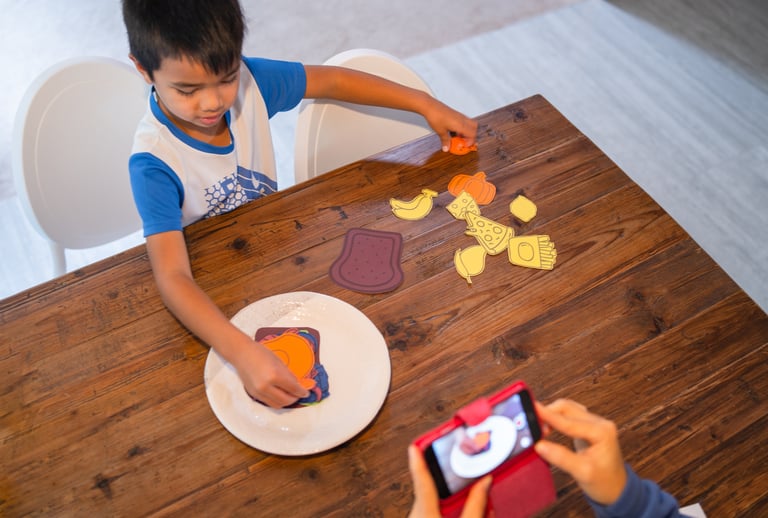
This means young children can participate in activities while using 3C.
The ‘reading pen’ is an example. Young children can click on a graphic with the pen, and then find the corresponding graphic on another picture. The reading pen will give them instant voice feedback.
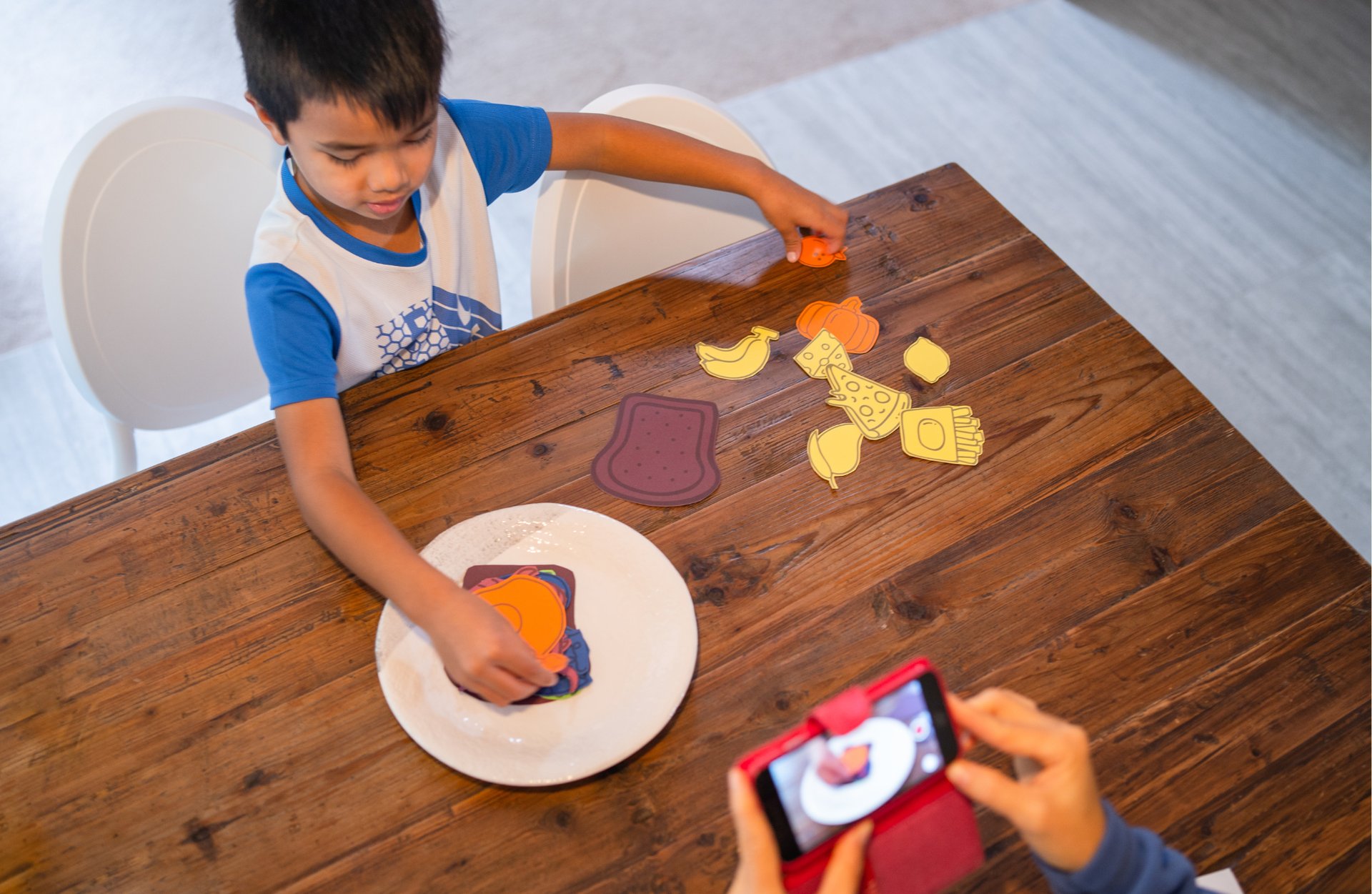
Another example is a slow-motion App. Young children can take pictures on the app while slowly moving their toys in front of the camera. The app will create a short slow-motion clip from the photos.
Principle 3. Engaging activities
For young children, learning and play go hand in hand. So, instead of rote learning or formal learning, parents can choose some 3Cs that are fun and attractive to young children.
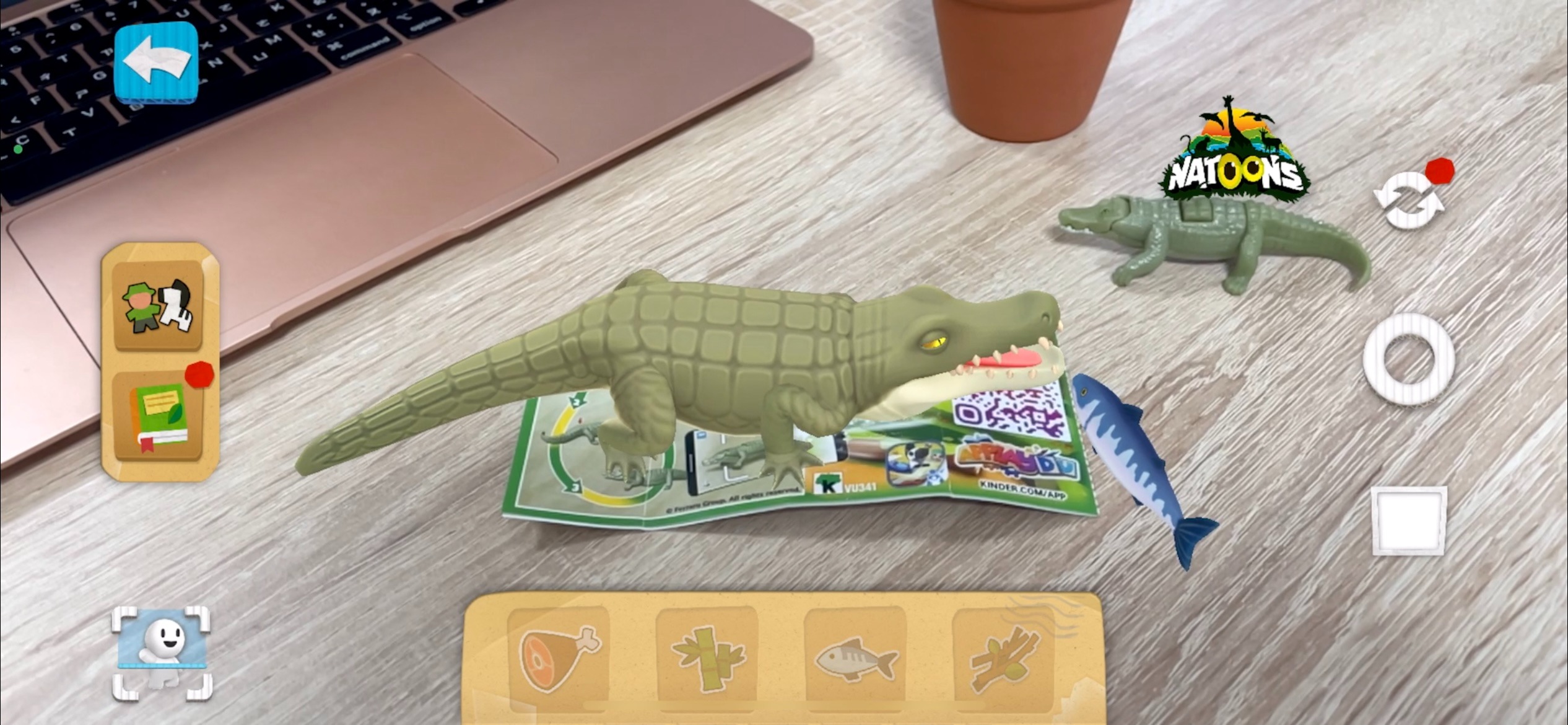
Recently we bought Kinder SURPRISE (although milk chocolate isn't good for children😅), and found there was a QR code along with a plastic toy. After scanning the QR code and downloading the app, we found that the app can show the effect of augmented reality (AR). The size and position of the plastic toy were adjusted on the screen according to the surrounding objects. Through this fun interactive game, young children can learn about the concepts of QRcode, Apps, and AR.
Now we understand the four principles of choosing 3Cs for young children. Screen use is not necessarily bad. Instead of forbidding or strict control, it's more important to help young children learn, create, connect, and have fun in modern society.
Hope you get some insights from this article.😊 We also write an article to share a FREE app with you. It's an amazing app called 'Khan Kids.' Please click here to read.




[ Our related services ]
Protect yourself and your family
Avoiding cybercrime
Stimulate your brain
STEM toys for kids and adults